Incorporating Michigan's Natural Beauty into Your Custom Home Design
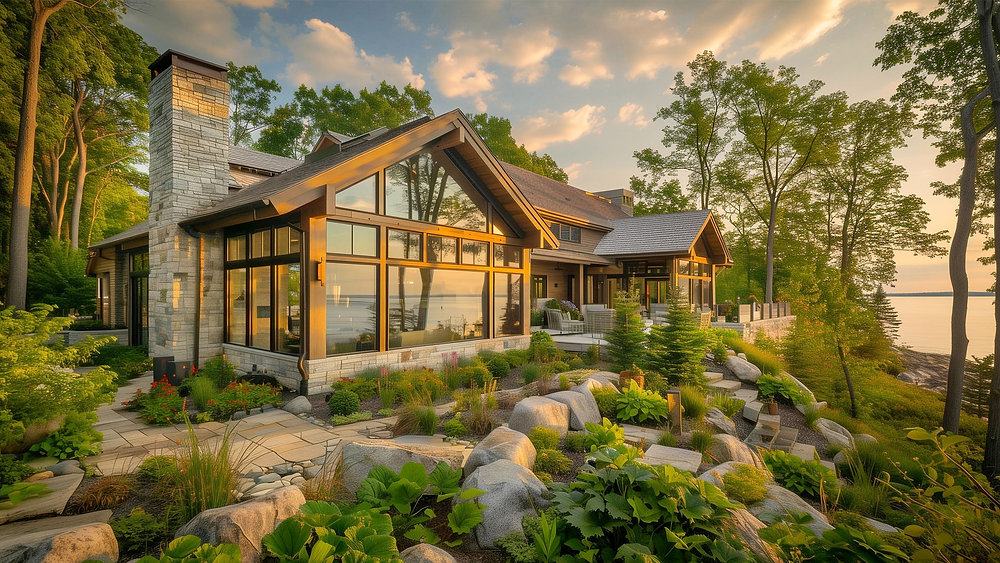
Incorporating Michigan's Natural Beauty into Your Custom Home Design www.hauscustomhomes.com/pos... When you think of Michigan, what comes to mind? Perhaps it's the serene shores of the Great Lakes, the lush forests teeming with wildlife, or the rolling hills that paint our landscape. As a luxury custom home builder, we believe your home should be a reflection of this natural beauty that surrounds us. Let's explore how we can integrate the essence of Michigan's outdoors into your dream home. Understanding Michigan's Landscape Michigan's diverse landscape is a treasure trove of inspiration for home design. From the sandy beaches of Lake Michigan to the rugged cliffs of the Upper Peninsula, our state offers an incredible variety of natural elements to draw from. The Great Lakes, of course, are our crown jewels. Their vast expanses of blue can inform everything from color palettes to architectural styles. But don't overlook our smaller inland lakes and rivers, which offer their own unique charm and design possibilities. Our forests, from the pine-dominated north to the hardwood forests of the south, provide a rich tapestry of textures and colors. Imagine waking up to a view of towering maples, their leaves a blaze of color in the fall. The rolling hills and varied terrain of Michigan add another dimension to consider. A home nestled into a hillside or perched atop a ridge can offer breathtaking views and unique architectural opportunities. And let's not forget our seasons. Michigan's dramatic seasonal changes mean your home's surroundings will transform throughout the year, offering new views and experiences with each passing month. Choosing the Right Architectural Style The architectural style of your home sets the stage for how it interacts with its environment. In Michigan, several styles can work beautifully, depending on your location and personal preferences. Craftsman homes, with their emphasis on natural materials and handcrafted details, often feel right at home in wooded settings. Picture a sturdy stone chimney, a welcoming front porch, and exposed wooden beams that echo the surrounding forest. For lakefront properties, contemporary designs with large windows can create stunning visual connections to the water. Imagine floor-to-ceiling glass that frames a perfect view of the sunset over the lake. Rustic lodge-style homes can be a great fit for more remote, forested areas. Think log construction, a grand stone fireplace, and a roofline that mimics the surrounding pine trees. For those in more urban or suburban settings, a modern farmhouse style can blend traditional Michigan architecture with contemporary comforts. White board-and-batten siding, black-framed windows, and a metal roof can create a crisp, clean look that still feels connected to our agricultural heritage. Don't be afraid to mix styles – a blend of traditional and modern elements can create a unique home that's perfectly suited to its Michigan setting. The key is to work with an architect who understands how to harmonize your home with its specific location. Embracing Natural Materials One of the most effective ways to connect your home with its surroundings is through the use of local, natural materials. Michigan offers a wealth of options that can add authenticity and character to your home. Stone is a versatile and beautiful choice. Consider using Michigan fieldstone for a rustic exterior or a striking fireplace surround. Limestone from the western part of the state can create elegant facades or interior accent walls. Wood is another essential element. Michigan-grown oak, maple, or cherry can be used for flooring, cabinetry, or exposed beams, bringing warmth and a sense of place to your interiors. For exteriors, cedar siding or accents can weather beautifully over time, blending with the natural surroundings. Don't overlook the potential of metals. Copper, which has a long history in Michigan, can be used for roofing accents, gutters, or decorative elements, developing a beautiful patina over time. For a truly sustainable approach, consider reclaimed materials. Old barn wood or repurposed industrial elements can add unique character while reducing environmental impact. Maximizing Views and Natural Light In Michigan, where winter days can be short and gray, maximizing natural light is crucial. Strategic window placement can not only frame your best views but also flood your home with warm, natural light. Consider floor-to-ceiling windows in main living areas to create a seamless connection with the outdoors. In bedrooms or studies, carefully placed windows can frame specific views – perhaps a favorite tree or a distant hill. For rooms where privacy is a concern, clerestory windows or skylights can bring in light without sacrificing seclusion. These high windows can also create interesting plays of light and shadow throughout the day. Open floor plans enhance sightlines, creating a sense of spaciousness and connection with the outdoors. Consider how you can create visual corridors that draw the eye through the home and out to the landscape beyond. Don't forget about transition spaces. A well-designed sunroom or screened porch can serve as a bridge between indoors and out, perfect for enjoying Michigan's beautiful summers without the bugs. These spaces can be designed with retractable screens or windows to extend their use into the cooler months. Designing for Michigan's Climate Michigan's climate presents both challenges and opportunities for home design. Our hot summers and cold winters require thoughtful planning to ensure year-round comfort and efficiency. Passive solar design principles can help manage temperature fluctuations. This might involve orienting your home to maximize southern exposure in winter while using overhangs or deciduous trees to provide shade in summer. Proper insulation is crucial in our climate. Consider using high-performance windows and doors, and don't skimp on wall and roof insulation. These investments pay off in both comfort and energy savings. For heating, in-floor radiant systems can provide efficient, comfortable warmth. In summer, geothermal cooling systems can take advantage of the earth's constant temperature to reduce energy use. Don't forget about managing snow and rain. Proper roof pitch, quality gutters, and well-planned drainage are essential in Michigan. Consider a covered entryway to provide shelter during inclement weather. Outdoor spaces should be designed for three-season (or even four-season) use. A well-designed patio with a fire pit and overhead heating can extend your enjoyment of the outdoors well into the cooler months. For summer, consider incorporating natural shade elements or a pergola to create comfortable outdoor living areas. Bringing Nature Indoors Even when you're inside, there are countless ways to maintain a connection with nature. This approach, often called biophilic design, has been shown to reduce stress and improve well-being. Consider incorporating a water feature that mimics the sound of a Michigan stream. This could be as simple as a small tabletop fountain or as elaborate as a custom-designed indoor waterfall. Use a color palette inspired by our natural surroundings – the blues of our lakes, the greens of our forests, or the warm tones of autumn leaves. These colors can be incorporated through paint, textiles, or artwork. Bring in plenty of plants. A living wall can make a stunning focal point, while strategically placed potted plants can improve air quality and add life to any room. Natural textures can add depth and interest to your interiors. Consider incorporating rough-hewn wood, smooth river stones, or textiles that mimic natural patterns. Large nature photographs or paintings can serve as windows to the outdoors when actual windows aren't possible. Commission a local artist to create pieces that reflect Michigan's landscapes. Creating Outdoor Living Spaces Your home doesn't stop at the walls. Thoughtfully designed outdoor spaces can significantly enhance your living experience and your connection to nature. A deck overlooking a wooded area can serve as a private retreat. Design it with built-in seating and planters to blend with the surrounding landscape. For lakefront properties, consider a dock with a seating area for watching sunsets or stargazing. An outdoor kitchen and dining area can be perfect for summer entertaining. Include a pizza oven or a smoker to expand your culinary options. Create zones in your outdoor space for different activities – perhaps a meditation garden, a vegetable patch, or a natural play area for children. Don't forget about lighting. Well-planned landscape lighting can extend the use of your outdoor spaces into the evening and create beautiful nighttime views from inside the home. Working with the Right Professionals Bringing this vision to life requires expertise. Working with local architects, designers, and contractors who understand Michigan's environment is crucial. Look for professionals who have experience designing homes in your specific region of Michigan. They'll understand the local climate, building codes, and design traditions. A good landscape architect can be invaluable in creating outdoor spaces that feel like a natural extension of both your home and the surrounding environment. Consider working with interior designers who specialize in biophilic design. They can help you select materials, colors, and furnishings that reinforce your connection to nature. Don't overlook the importance of skilled craftspeople. Michigan has a rich tradition of artisanal woodworking, stonework, and metalwork. Incorporating custom elements created by local artisans can add unique character to your home. Energy efficiency experts can help you navigate the complexities of green building practices and certif
Article Source : www.hauscustomhomes.com/pos...

Want to create own pages and collaborate?